Pre-Discharge Preparation on Long Island
Coordinate a safe, smooth transition from the facility back home.

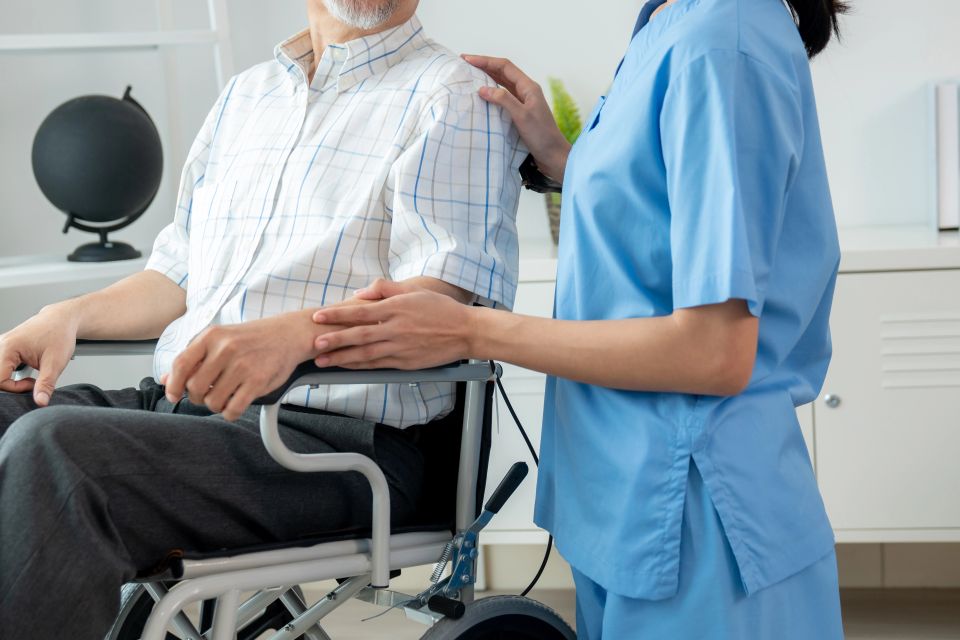

Pre discharge preparation focuses on planning a senior's safe return home from a hospital or rehabilitation facility. Key steps include reviewing non medical discharge instructions, inspecting the home for safety hazards, stocking the kitchen, organizing local transportation, and arranging scheduled companion visits to assist with light housekeeping and general recovery supervision.
Transition planning is critical because the initial days following a facility release carry a high risk for household accidents, skipped meals, and medication confusion. Proactively setting up the home environment and securing dependable companion care dramatically lowers readmission rates and ensures the older adult remains safe and stable.
Discharge coordination should begin as soon as the facility establishes a tentative release target window. Starting the process several days early allows adequate time to audit the home for physical barriers, adjust bedroom layouts, clear walking paths, and align care schedules without facing frantic last minute operational delays.
Non medical logistics are typically coordinated by professional eldercare consultants or dedicated family advisors who bridge the gap between institutional staff and the home. These specialists manage property safety readiness, food delivery, personal comfort tracking, and schedule the home companions needed to maintain an independent lifestyle.
Primary hazards include loose throw rugs, cluttered hallways, dark walkways, extension cords across paths, loose bathroom handrails, and steep entrance steps. Ensuring essential living items are relocated to the ground floor and adjusting furniture layout are vital steps to prevent immediate trip and fall injuries.